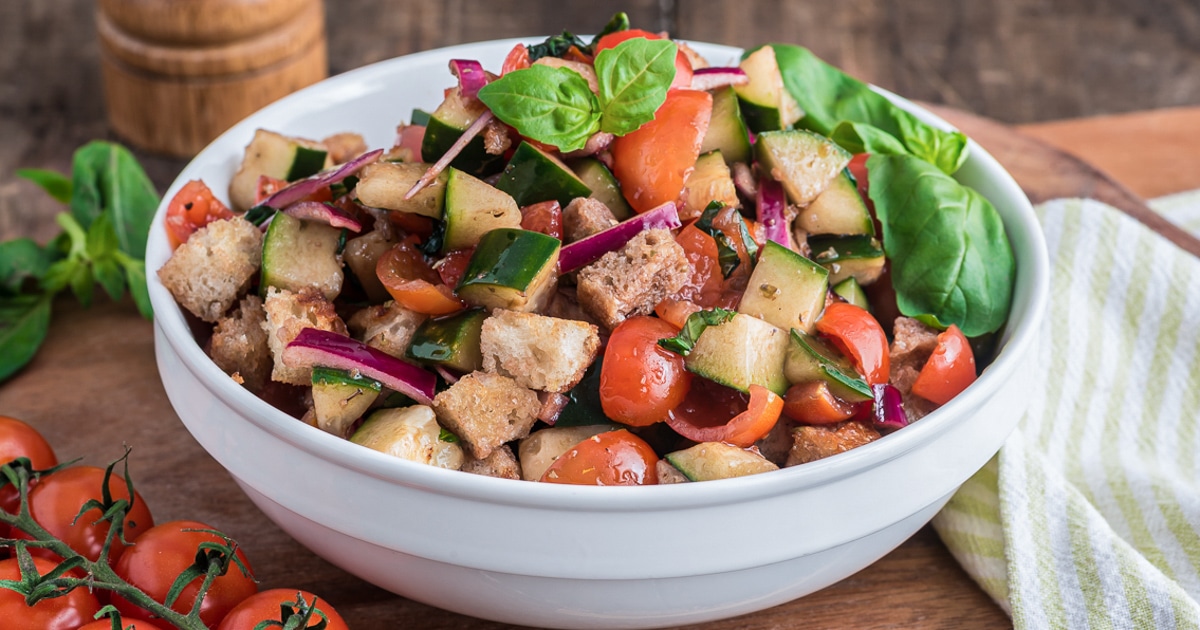
Explore Panzanella: A Culinary Journey Through Classic, Grilled, and Roman Styles
Panzanella, the quintessential Italian summer salad, transcends its humble origins to deliver a symphony of flavors and textures. More than just a simple dish, it's a testament to Italian culinary wisdom – a delicious strategy for transforming day-old bread and sun-ripened tomatoes into a vibrant, satisfying meal. If you've ever savored the fresh simplicity of Caprese salad or the rustic charm of tomato bruschetta, then
panzanella is your next must-try Italian delight. This article will guide you through the rich history and diverse preparations of this beloved dish, exploring its classic Tuscan roots, a popular grilled variation, and a wonderfully simple Roman-style approach.
What is Panzanella? The Rustic Italian Art of Reinvention
At its heart,
panzanella is a traditional Tuscan bread and tomato salad, born from the Italian philosophy of "nothing goes to waste," especially good bread. This rustic dish cleverly utilizes stale, day-old bread, soaking it in the flavorful juices of ripe tomatoes and a dressing of olive oil and vinegar. It's a light, fresh, and surprisingly filling salad, perfect for hot summer days when tomatoes are at their peak.
The core ingredients of any authentic
panzanella recipe are relatively few but chosen with purpose:
- Day-old, crusty Italian bread: Essential for its ability to soak up liquids without becoming completely mushy.
- Sun-ripened tomatoes: The star of the show, providing both flavor and the crucial natural juices that rehydrate the bread.
- High-quality olive oil: The backbone of any Italian dressing.
- Vinegar: Traditionally red wine vinegar, but balsamic vinegar is also popular in variations.
- Fresh basil: For its aromatic lift and quintessential Italian flavor.
- Often included: Cucumber and red onion for added crunch and zest.
This combination creates a dish packed with different textures – from the softened, flavorful bread to the juicy tomatoes and crisp vegetables – making it a truly fantastic summer salad. It's a culinary experience that speaks to the soul of Italian cooking: using simple, fresh ingredients to create something extraordinary. To truly appreciate its origins and significance, delve deeper into
Panzanella: The Rustic Italian Summer Salad for Stale Bread.
The Essential Ingredients: Making Your Panzanella Shine
While the concept of
panzanella is straightforward, the quality and preparation of its ingredients are paramount to achieving its exquisite taste.
The Bread: More Than Just a Filler
The choice of bread is perhaps the most critical. You need
day-old, crusty Italian bread, not soft sandwich bread. In Tuscany, a traditional saltless bread called
pane sciapo is often used, allowing the other flavors of the salad to truly shine. Stale bread is preferred because it holds its structure better after soaking and readily absorbs the vibrant tomato juices and dressing without disintegrating. This absorption is what transforms dry bread into a succulent, flavorful component of the salad, rather than just a side.
The Tomatoes: The Heart of the Dressing
Ripe, juicy tomatoes are non-negotiable. They are the primary source of moisture and flavor for your
panzanella. Chopping the tomatoes helps release their natural juices, which then combine with the olive oil and vinegar to create a rich, flavorful dressing that permeates the bread. Don't be afraid to use slightly overripe, "sad" tomatoes here; their concentrated flavor is often perfect for this dish. For a deeper understanding of its Tuscan roots and ingredient philosophy, explore
Tuscan Panzanella: From Leftover Bread to Flavorful Summer Dish.
The Dressing: Olive Oil and Vinegar
A generous drizzle of good quality extra virgin olive oil is fundamental. It adds richness and a silky texture. As for vinegar, traditional recipes often call for red wine vinegar, which provides a sharp, bright counterpoint to the sweet tomatoes. However, balsamic vinegar is increasingly popular, especially in grilled variations, lending a touch of sweetness and depth.
The Freshness Factor: Herbs and Vegetables
Fresh basil is a non-negotiable aromatic. Its peppery, sweet notes are intrinsically linked with Italian summer flavors. Cucumber adds a refreshing crunch, while red onion offers a pungent bite that balances the sweetness of the tomatoes. Some variations also include mozzarella for a creamy richness, or a sprinkle of oregano for an earthy touch.
Three Delicious Ways to Enjoy Panzanella
While the essence of
panzanella remains constant, its preparation can vary significantly, offering distinct experiences. Let's explore three popular styles: the classic, the grilled, and the simple Roman.
1. The Classic Florentine (Tuscan) Panzanella
This is often what comes to mind when one hears "
panzanella salad." It’s a fresh, vibrant mix that embodies the original Tuscan tradition.
- Description: Dried stale bread is rehydrated through a soaking process, then mixed with salted, ripe tomatoes, crisp cucumber, and pungent red onion, all tossed in a dressing of red wine vinegar and olive oil.
- Preparation: The key here is the bread's preparation. Day-old crusty bread is briefly soaked in water, then thoroughly squeezed dry to remove excess liquid, ensuring it's moist but not soggy. This rehydrated bread is then combined with the chopped vegetables, vinegar, and olive oil.
- Our Tip: Always let this version chill for at least an hour before serving. This crucial resting time allows the bread to fully absorb the flavors, creating a harmonious and deeply satisfying salad. Toss with fresh basil just before serving to preserve its vibrant aroma.
2. The Grilling Twist: A Smoky Panzanella
This variation introduces a delightful smoky depth and a firmer texture to the bread, making it a favorite for many, especially those who find the traditional soaked bread a bit too soft.
- Description: Slices of bread are grilled until lightly charred and crispy, reminiscent of bruschetta, then chopped and paired with ripe tomatoes, cucumber, red onion, and often balsamic vinegar, finished with a sprinkle of oregano.
- Preparation: Instead of soaking, the bread is grilled or toasted, then cubed. This grilled bread is then mixed with the chopped vegetables, a dressing typically featuring balsamic vinegar (which complements the smoky notes beautifully), olive oil, and herbs like oregano and basil.
- Our Tip: Grilling the bread not only imparts a fantastic smoky flavor but also helps the bread maintain a slightly firmer texture even after soaking up the tomato juices. This version holds up exceptionally well and offers a delightful contrast of textures and flavors.
3. The Simple Roman-Style Panzanella (Nonna Maria's Way)
This is the epitome of rustic simplicity, a method passed down through generations, like from a mother-in-law named Maria in Frosinone. It proves that sometimes, less truly is more.
- Description: There's no soaking or extensive chopping here. This version focuses on the pure flavors of just three main ingredients: ripe tomato, crusty bread, and olive oil, enhanced with salt and fresh basil.
- Preparation: Take halves of ripe tomatoes and rub them directly onto slices of crusty bread. This action releases the tomato's juices and flavor directly into the bread. Drizzle generously with olive oil, sprinkle with sea salt, and finish with torn fresh basil leaves.
- Our Tip: This style is perfect for an impromptu lunch or snack. It's incredibly direct, highlighting the natural sweetness of ripe tomatoes and the robust flavor of good olive oil. It's an immediate gratification version of panzanella, full of authentic, unadorned taste.
Crafting Your Perfect Panzanella: Practical Tips and Insights
To truly master
panzanella, consider these actionable insights:
- Don't Rush the Rest: For both classic and grilled versions, chilling the salad for at least an hour (and up to 6 hours for deeper flavor infusion) is paramount. This allows the bread to fully absorb the dressing and juices, developing a richer, more complex flavor profile.
- Season Thoughtfully: Salt your chopped tomatoes beforehand to help them release their juices more readily, contributing to a more flavorful dressing. Taste and adjust seasoning before serving.
- Embrace Imperfection: Panzanella is a rustic dish. Don't worry about perfectly uniform cuts. The charm lies in its hearty, homely appearance.
- Beyond Tomatoes: While tomatoes are core, feel free to experiment with other summer vegetables. Bell peppers, zucchini, or even corn can be delightful additions to a non-traditional version.
- Dress Generously: Don't be shy with the olive oil. It's crucial for both flavor and texture, ensuring the bread is moist and luxurious.
Conclusion
From the sun-drenched fields of Tuscany to the bustling kitchens of Rome,
panzanella stands as a testament to Italian ingenuity and the beauty of simple, seasonal ingredients. Whether you prefer the refreshing vibrancy of the classic, the smoky allure of the grilled variation, or the pure, unadorned flavors of the Roman style,
panzanella offers a versatile and deeply satisfying culinary experience. It's more than just a salad; it's a celebration of summer, a dedication to preventing food waste, and an invitation to savor the authentic tastes of Italy. So, grab some day-old bread, ripe tomatoes, and your favorite olive oil, and embark on your own delicious journey with
panzanella.