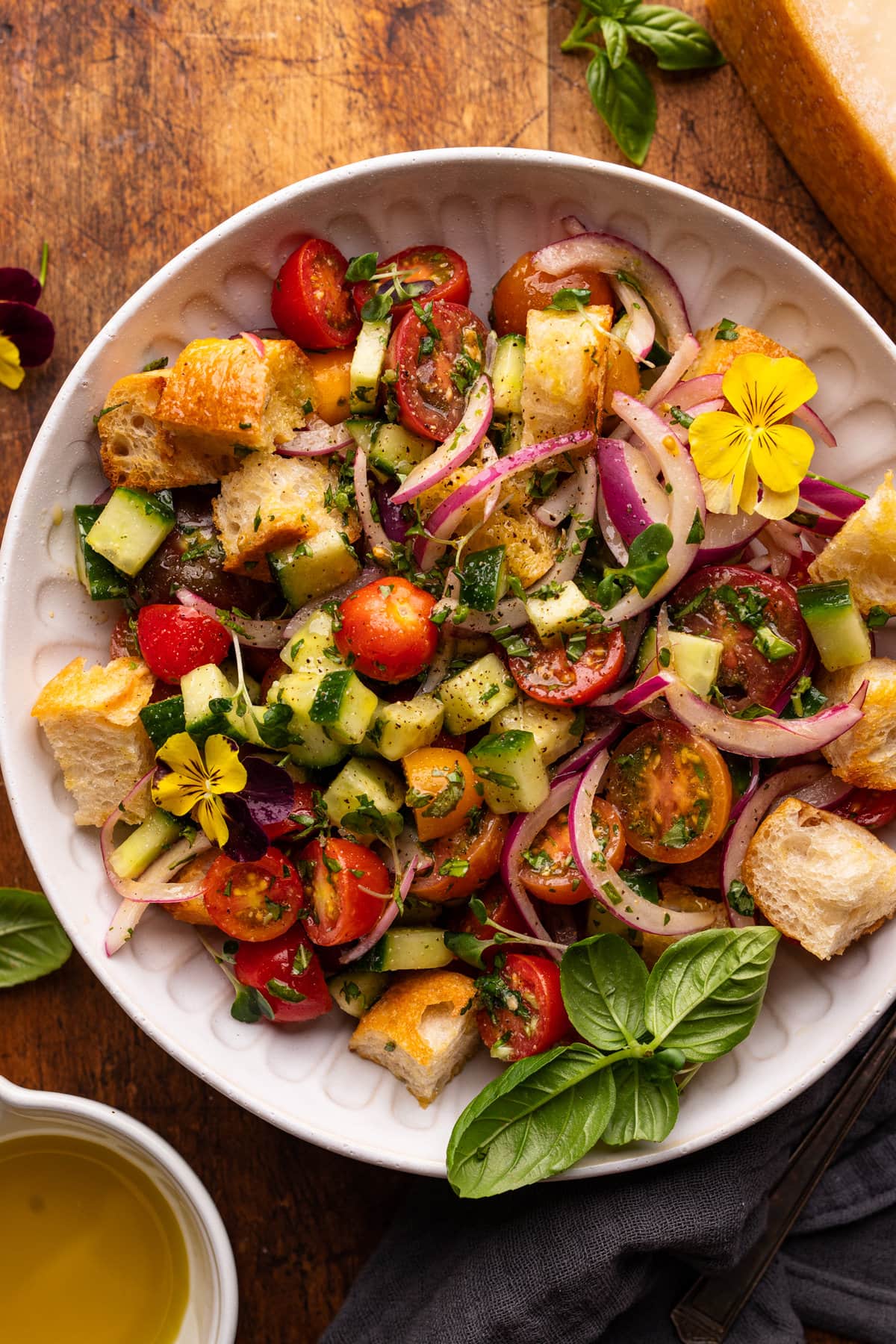
Tuscan Panzanella: From Leftover Bread to Flavorful Summer Dish
Imagine a sun-drenched afternoon in Tuscany, a gentle breeze rustling through olive groves, and a plate of vibrant, fresh, and utterly satisfying salad before you. This isn't just any salad; it's
panzanella, a culinary masterpiece born from the ingenious Italian tradition of making the most of every ingredient, especially day-old bread. Far more than a mere side dish, panzanella transforms humble leftovers into a star of summer cuisine, bursting with the unparalleled flavors of ripe tomatoes, fragrant basil, and the finest olive oil. If you've ever thought stale bread was destined for the bin, prepare to be amazed by this rustic, flavorful resurrection.
What Exactly is Panzanella? A Culinary Resurrection
At its heart, panzanella is a traditional Italian bread and tomato salad, predominantly associated with the sun-kissed region of Tuscany. It embodies the spirit of
cucina povera – "poor cooking" – a philosophy where creativity and resourcefulness turn simple, readily available ingredients into extraordinary meals. Historically, this meant making ingenious use of stale bread, ensuring nothing went to waste. Instead of being discarded, day-old, crusty Italian bread is rehydrated and mingled with the freshest seasonal produce, creating a texture that is simultaneously hearty, chewy, and exquisitely tender as it soaks up a magnificent dressing.
The magic of panzanella lies in this transformation. The bread acts as a sponge, eagerly absorbing the sweet, tangy juices of ripe tomatoes, the peppery notes of olive oil, and the sharp zest of vinegar. This isn't just about combining ingredients; it's about allowing them time to marry, to meld their individual characteristics into a harmonious symphony of flavors and textures. The result is a salad that is light yet substantial, refreshing yet deeply satisfying – the ultimate summer delight, especially for those who appreciate simple Italian tomato dishes like Caprese salad or tomato bruschetta.
The Heart of Panzanella: Key Ingredients and Their Role
While the concept of
panzanella is straightforward, the quality of its components is paramount. Each ingredient plays a vital role in crafting this iconic Tuscan dish:
*
Day-Old Crusty Bread: This is the soul of panzanella. Fresh, soft bread won't do; it will simply turn mushy. Day-old, slightly stale, crusty Italian bread – like the traditional unsalted
pane sciapo from Tuscany – holds its shape better and absorbs the dressing without disintegrating. Its saltless nature also allows the vibrant flavors of the tomatoes and dressing to truly sing, rather than competing with an already seasoned base. If you're using salted bread, adjust your overall seasoning.
*
Ripe Tomatoes: The undisputed co-star. Panzanella demands intensely ripe, flavorful tomatoes. Whether heirloom, Roma, or cherry, their natural sweetness and acidity, coupled with their abundant juices, form the backbone of the salad's dressing. Chopping them helps release these precious liquids, which are essential for rehydrating the bread and infusing it with flavor.
*
High-Quality Olive Oil: Extra virgin olive oil is non-negotiable. Its fruity, sometimes peppery notes are fundamental to the Italian palate and provide a luxurious mouthfeel, binding all the flavors together.
*
Vinegar: Traditionally, red wine vinegar provides a bright, tangy counterpoint to the richness of the oil and the sweetness of the tomatoes. However, balsamic vinegar can also be used for a slightly sweeter, more complex flavor profile, particularly in grilled variations.
*
Fresh Basil: The aromatic lift. Torn fresh basil leaves add a burst of herbaceous freshness that is quintessential to Mediterranean summer cuisine. Its peppery, sweet notes complement the tomatoes beautifully.
*
Optional Additions: While the core ingredients are sacred, variations often include crisp cucumber for added crunch, thinly sliced red onion for a pungent bite, or even mozzarella for a touch of creamy richness.
Beyond the Classic: Exploring Panzanella's Versatility
While the classic
panzanella recipe is beloved across Tuscany, the beauty of this dish lies in its adaptability. Over time, families and regions have developed their own delightful twists, proving that even a traditional recipe can evolve. If you're looking to
Explore Panzanella: Classic, Grilled, and Roman Styles, here are the main approaches:
*
The Florentine Classic: Soaked and Squeezed
This is often what comes to mind when one hears "panzanella." It features dried, stale bread cubes that are briefly soaked in water, then carefully squeezed dry to remove excess moisture. This rehydrated bread is then tossed with chopped, salted ripe tomatoes, cucumber, and red onion, all dressed generously with red wine vinegar and olive oil. The salad is typically chilled for at least an hour, allowing the bread to fully absorb the dressing and flavors, culminating in a final flourish of fresh basil just before serving. The texture here is soft, yielding, and incredibly flavorful.
*
The Grilled Twist: Smoky and Substantial
A favorite among many for its added depth of flavor, the grilled version foregoes soaking the bread in water. Instead, slices of day-old bread are grilled (much like bruschetta) until lightly charred and crisp. These grilled slices are then chopped and mixed with the usual suspects: ripe tomatoes, cucumber, red onion, and often balsamic vinegar, which pairs wonderfully with the smoky notes. A sprinkle of oregano often joins the basil. This method yields a salad where the bread maintains more chew and a delightful smoky undertone, standing up beautifully to the tomato juices. It's a fantastic alternative for those who prefer a firmer bread texture.
*
The Roman-Style Simplicity: Rustic and Direct
Embodying the ultimate in simplicity and directness, this variation, sometimes seen in regions like Lazio (where Rome is located), takes a minimalist approach. There's no soaking or grilling; instead, ripe tomato halves are rubbed directly onto slices of crusty, day-old bread, allowing the bread to absorb the tomato pulp and juices. A generous drizzle of olive oil, a sprinkle of salt, and torn fresh basil complete this incredibly rustic and flavorful preparation. It's a testament to the power of high-quality ingredients needing very little fuss to shine, delivering pure, unadulterated flavor.
Beyond these traditional variations, feel free to experiment with other summer vegetables like bell peppers, olives, capers, or even crumbled feta for a non-traditional but delicious twist. The possibilities are endless when the foundation is so robust.
Crafting the Perfect Panzanella: Tips for Success
Creating an exceptional
panzanella is less about following a rigid recipe and more about understanding the nuances of its ingredients and preparation. Here are some actionable tips to elevate your summer salad:
*
Choose the Right Bread: As mentioned, day-old, crusty Italian bread is ideal. Avoid soft sandwich breads or highly dense sourdoughs that might not absorb the dressing properly. If your bread isn't quite stale, you can lightly toast it in the oven to dry it out further before proceeding.
*
Salt Your Tomatoes: After chopping your ripe tomatoes, sprinkle them lightly with salt and let them sit for 10-15 minutes. This process helps draw out their natural juices, which will form a flavorful dressing when combined with the olive oil and vinegar. Don't drain these precious juices!
*
Don't Over-Soak (Classic Method): If you're doing the classic soaked method, a brief dip (seconds, not minutes) is enough to rehydrate the bread. The goal is moist, not soggy. Squeeze out as much excess water as possible. This step is crucial for the bread to absorb the flavorful dressing rather than just sitting in water.
*
The Importance of Resting: This is arguably the most critical step for any panzanella. Once assembled, the salad needs time to rest, ideally for at least an hour in the refrigerator, but up to 4-6 hours (or even overnight for some recipes) for the flavors to fully meld. During this time, the bread transforms, soaking up all the delicious juices and becoming incredibly tender and infused with taste. This is where the magic truly happens.
*
Generous Seasoning: Don't be shy with good quality olive oil, vinegar, salt, and freshly ground black pepper. Taste and adjust as you go.
*
Fresh Herbs Last: Add fresh basil just before serving to maintain its vibrant color and fresh aroma.
Why Panzanella Deserves a Spot on Your Summer Table
Panzanella is more than just a salad; it's a celebration of summer, sustainability, and simplicity. It's a dish that respects its ingredients, transforming what might be discarded into something truly delightful. For those mindful of food waste, it's a brilliant solution for leftover bread, earning its place among essential
Panzanella: The Rustic Italian Summer Salad for Stale Bread recipes.
Its light, fresh profile makes it the perfect accompaniment to grilled meats or fish, or substantial enough to be a vegetarian main course on its own. It's easy to prepare, requires minimal cooking (especially the classic or Roman versions), and can often be made ahead, making it ideal for entertaining or busy weeknights. The interplay of soft, juice-soaked bread with crisp vegetables and fragrant herbs creates a textural and flavor experience that is simply unparalleled.
Conclusion
From its humble origins in the Tuscan countryside,
panzanella has risen to become a beloved summer classic worldwide. It embodies the essence of Italian cooking: using fresh, quality ingredients with simple techniques to create something truly extraordinary. Whether you opt for the traditional soaked bread, the smoky grilled version, or the minimalist Roman style, this flavorful bread salad is a testament to culinary ingenuity and the joy of seasonal eating. So, the next time you find yourself with day-old bread and a bounty of ripe tomatoes, skip the waste and embrace the delicious tradition of panzanella – your taste buds will thank you.