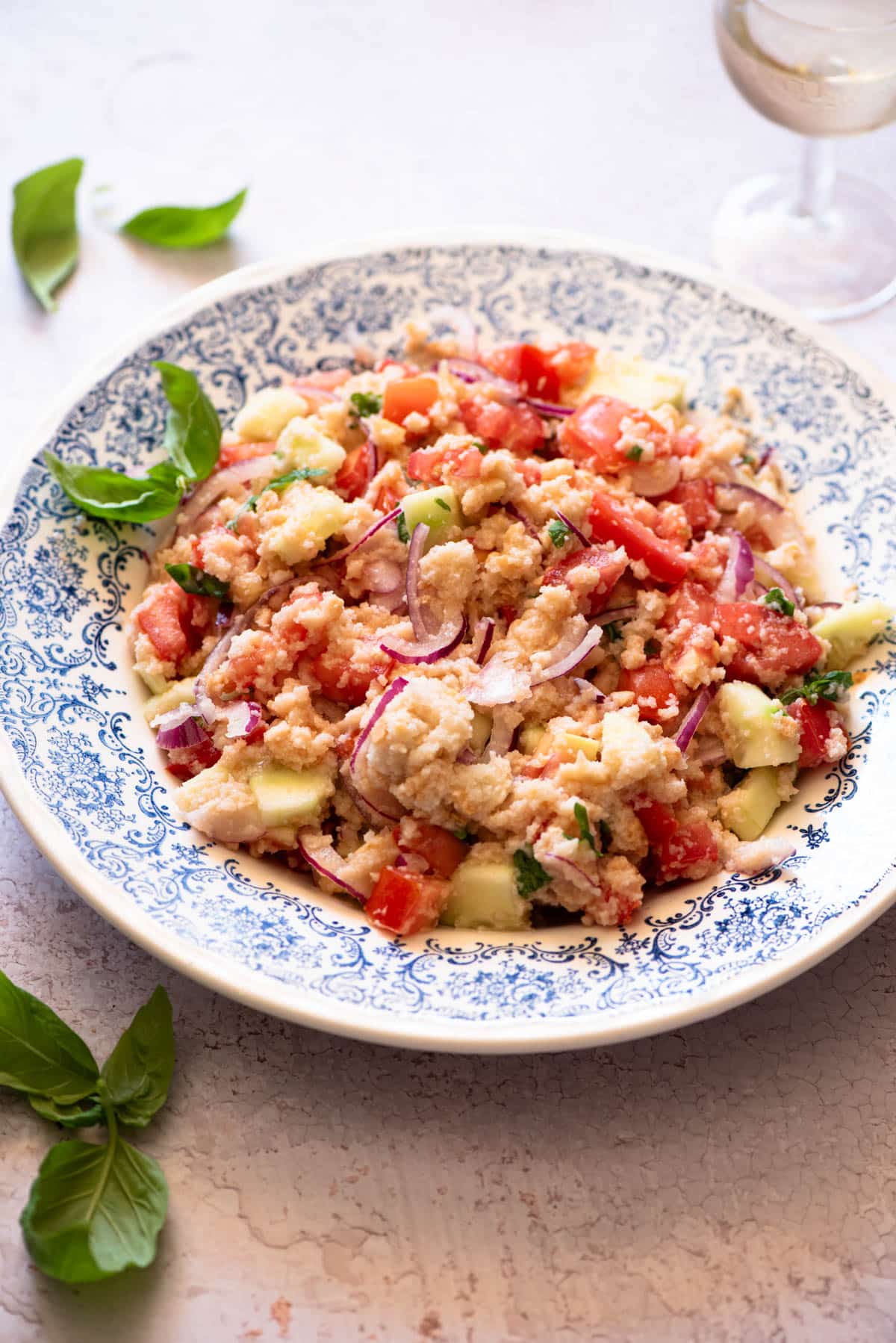
Panzanella: The Rustic Italian Summer Salad for Stale Bread
Imagine a dish born from necessity, yet celebrated for its vibrant flavors and refreshing simplicity. This is the magic of
panzanella, a quintessential Italian summer salad that transforms humble, day-old bread and sun-ripened tomatoes into a culinary masterpiece. Far from being merely a way to use up leftovers, panzanella stands as a testament to Italian ingenuity, proving that some of the most delicious creations emerge from the clever use of simple, seasonal ingredients. If you're looking for a light, satisfying, and incredibly flavorful dish that perfectly encapsulates the spirit of Italian summer, look no further than this rustic bread salad.
What Exactly is Panzanella? Unpacking the Tuscan Bread Salad
At its heart,
panzanella salad is a traditional Tuscan bread and tomato salad, renowned for its fresh ingredients and delightful interplay of textures. The core components are remarkably straightforward: day-old, crusty Italian bread, ripe, juicy tomatoes, high-quality extra virgin olive oil, a splash of vinegar, and fragrant fresh basil. What makes panzanella truly special is its ability to elevate these basic elements into something extraordinary. The stale bread, rather than being discarded, acts as a flavorful sponge, soaking up the exquisite juices from the tomatoes and the rich, peppery notes of the olive oil and vinegar, creating a tender yet satisfying base.
Unlike some other famous Italian tomato dishes like a fresh Caprese salad or a vibrant tomato bruschetta, panzanella offers a unique rustic charm, often including other fresh garden vegetables like crisp cucumber and sharp red onion for added crunch and zest. It’s a dish that embodies the Italian "no-waste" philosophy, turning ingredients that might otherwise be overlooked into a star attraction. The result is a light, fresh, and deeply flavorful summer salad that’s both invigorating and comforting, making it a beloved staple across Italy and increasingly around the world.
The Humble Origins and Enduring Appeal of Panzanella
The story of
panzanella is deeply rooted in the practical, resourceful traditions of Italian cucina povera, or "poor kitchen" cooking. Historically, in rural Tuscan households, nothing was wasted – especially not good bread. When bread went stale, it was ingeniously repurposed rather than thrown away. Panzanella emerged as a brilliant solution, combining dried bread with the abundant bounty of summer gardens: sun-ripened tomatoes, fresh herbs, and the region's prized olive oil. It was a peasant dish, born of necessity, but quickly recognized for its sheer deliciousness.
This humble origin is precisely what gives panzanella its enduring appeal. It's a celebration of simplicity and seasonality. In the peak of summer, when tomatoes are at their absolute best – bursting with sweetness and acidity – panzanella shines. It’s the perfect vehicle for those perfectly ripe, taut specimens, and even more so for the slightly overripe, oozing tomatoes that are still rich in flavor but might be less suitable for slicing. The salad captures the essence of a warm Italian afternoon, offering a refreshing and satisfying meal that requires minimal cooking, allowing the natural flavors of its high-quality ingredients to take center stage. Its adaptability also contributes to its popularity, allowing for subtle variations while always staying true to its rustic roots.
Crafting the Perfect Panzanella: Essential Ingredients and Techniques
Achieving the perfect
panzanella salad experience lies in understanding the synergy between its core ingredients and the simple yet crucial techniques involved.
The Foundation: Stale Bread
The most critical component is undoubtedly the bread. Forget fresh, soft loaves;
day-old crusty Italian bread is non-negotiable. Varieties like *pane sciapo* (Tuscan saltless bread) or any sturdy, rustic loaf work best. Why stale? Fresh bread would quickly turn to mush when moistened. Stale bread, particularly when lightly toasted or briefly soaked and squeezed, maintains a pleasant chewiness while becoming an incredible vehicle for absorbing all the delicious juices and dressing. This transformation from stale to savory sponge is the true genius of panzanella.
The Heart: Ripe Tomatoes
No panzanella is complete without perfectly ripe, juicy tomatoes. At the height of tomato season, these gems provide not only the bulk of the salad but also the natural liquids that form a significant part of the dressing. Chopping the tomatoes helps to release their abundant juices, which then mingle with the olive oil and vinegar to create a rich, flavorful broth that the bread soaks up. This is where the magic truly happens, transforming a dry ingredient into a succulent one.
The Flavor Boosters: Olive Oil, Vinegar, and Herbs
A generous drizzle of high-quality **extra virgin olive oil** is essential, adding a fruity, peppery depth. The choice of vinegar also plays a role: red wine vinegar is traditional for the classic version, offering a sharp tang, while balsamic vinegar can lend a sweeter, richer note, particularly in grilled variations. Fresh basil, torn just before serving, provides an aromatic flourish and bright, herbaceous counterpoint to the tomatoes. Additional ingredients like crisp cucumber and thinly sliced red onion add crunch and a refreshing bite, while some modern interpretations even include mozzarella for a touch of creamy richness.
The Technique: Resting is Key
One of the most vital steps in crafting an exceptional panzanella is allowing it to rest. After tossing all the ingredients together, the salad should chill for at least an hour, or even up to 6 hours. This resting period is crucial; it gives the bread ample time to absorb the flavors from the tomatoes, olive oil, and vinegar, allowing everything to meld into a harmonious symphony of taste. The longer it rests, the deeper and more integrated the flavors become, creating a truly unforgettable salad.
Beyond the Classic: Exploring Panzanella's Delicious Variations
While the Florentine classic is widely beloved, the versatility of panzanella lends itself to delightful variations, each offering a unique textural and flavor profile. To delve deeper into these styles, you might
Explore Panzanella: Classic, Grilled, and Roman Styles.
*
Classic Florentine Panzanella: This is the version most people envision. It typically involves soaking cubes of stale bread in water, squeezing them dry, and then tossing them with chopped ripe tomatoes, crisp cucumber, thinly sliced red onion, red wine vinegar, copious olive oil, and fresh basil. The texture is soft yet satisfying, with the bread acting as a tender sponge.
*
Grilled Panzanella: For those who prefer a firmer bread texture and a hint of smoky flavor, the grilled variation is a revelation. Slices of day-old bread are grilled (much like for bruschetta) until lightly charred and crispy, then chopped and mixed with tomatoes, cucumber, red onion, balsamic vinegar, olive oil, and a sprinkle of oregano. The grilled bread holds up exceptionally well to the tomato juices, adding a wonderful textural contrast and a deeper, sweeter flavor profile.
*
Roman-Style (Maria's Simple Version): This is arguably the most rustic and minimalist approach, often passed down through generations. My mother-in-law Maria's version from Frosinone involves no soaking or extra vegetables. Instead, ripe tomato halves are simply rubbed directly into slices of crusty bread, then drizzled with olive oil, sprinkled with salt, and topped with torn fresh basil. It’s an exercise in pure, unadulterated flavor, highlighting the quality of each ingredient.
Tips for an Unforgettable Panzanella Experience
To truly master the art of this Tuscan summer salad, keep these essential tips in mind:
*
Choose the Right Bread: As mentioned, day-old, crusty Italian bread is paramount. Avoid soft sandwich breads or overly dense sourdoughs that won't absorb flavors as effectively. The slightly saltless nature of traditional Tuscan bread (*pane sciapo*) also allows the other flavors to shine without being overwhelmed.
*
Prioritize Tomato Quality: The success of your
Tuscan panzanella hinges on the quality of your tomatoes. Use ripe, in-season varieties from a farmer's market if possible. Their natural sweetness and acidity are irreplaceable.
*
Don't Rush the Rest: The resting period is not optional. It's where the magic happens, allowing the bread to fully absorb the flavorful juices and dressing, transforming its texture and deepening the overall taste. An hour minimum in the fridge is ideal, but several hours (up to 6) can elevate the flavors even further.
*
Invest in Good Olive Oil: Since olive oil is such a prominent flavor, use the best quality extra virgin olive oil you can afford. It makes a noticeable difference.
*
Season Generously: Tomatoes love salt! Don't be shy with seasoning, as it helps bring out their natural sweetness and balances the flavors. Freshly cracked black pepper is also a welcome addition.
*
Serve Chilled: While the ingredients should be at room temperature before mixing to promote flavor melding, chilling the finished salad for an hour or more before serving makes it incredibly refreshing on a hot day.
For more insights into making this delightful dish, you might enjoy
Tuscan Panzanella: From Leftover Bread to Flavorful Summer Dish.
Conclusion
Panzanella is more than just a salad; it's a culinary philosophy in a bowl. It’s a testament to the Italian genius for transforming simple ingredients into something truly extraordinary, embodying the spirit of sustainability, seasonality, and incredible flavor. Whether you opt for the classic Florentine rendition, a smoky grilled version, or a purely rustic Roman style, panzanella promises a refreshing, satisfying, and utterly delicious experience. It’s the perfect way to celebrate the bounty of summer and discover the rich, authentic tastes of Italy, one tender, flavor-soaked piece of bread at a time. So, the next time you find yourself with a loaf of day-old bread and a basket of ripe tomatoes, let the rustic charm of panzanella transport you to the sun-drenched hills of Tuscany.